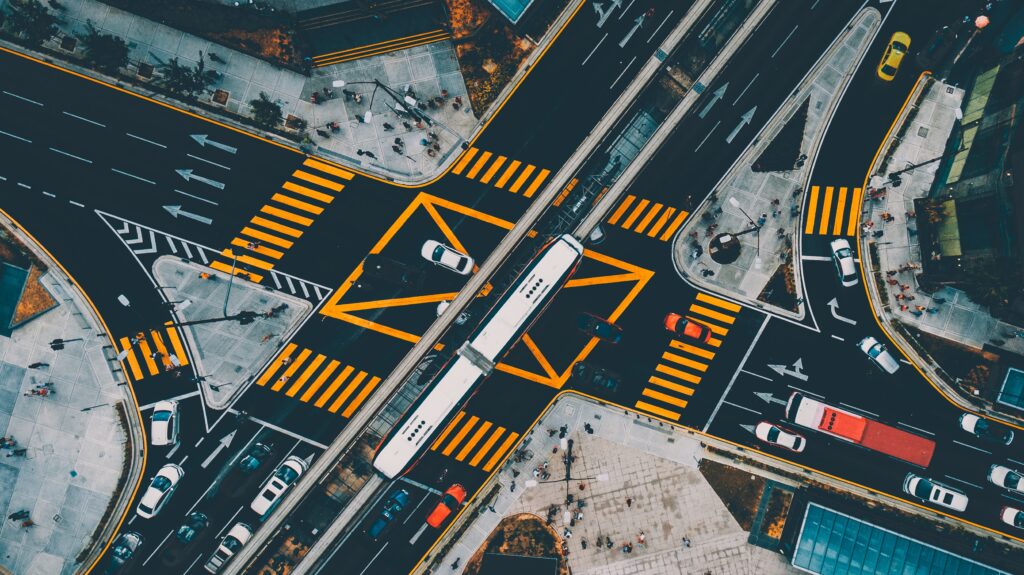
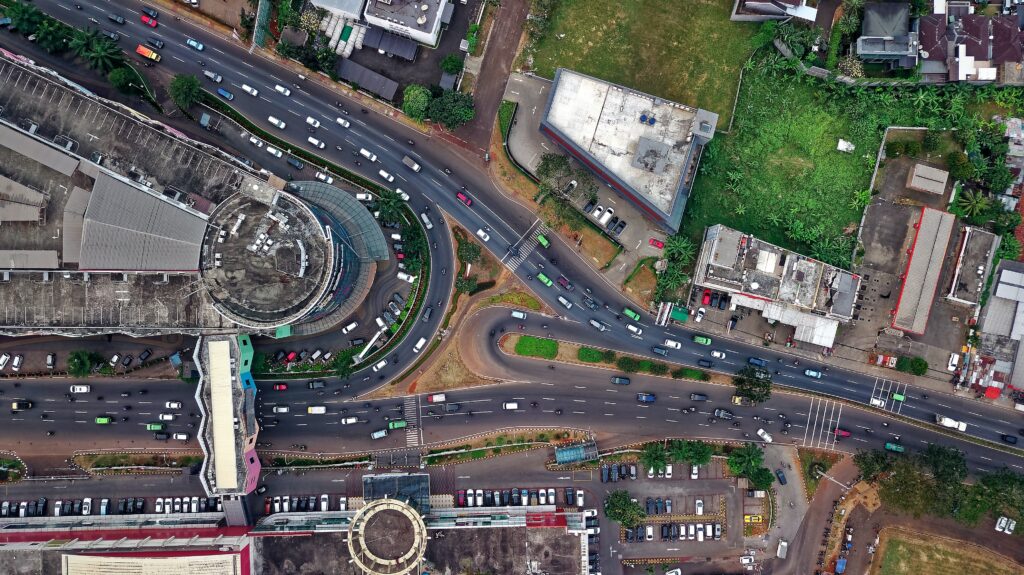
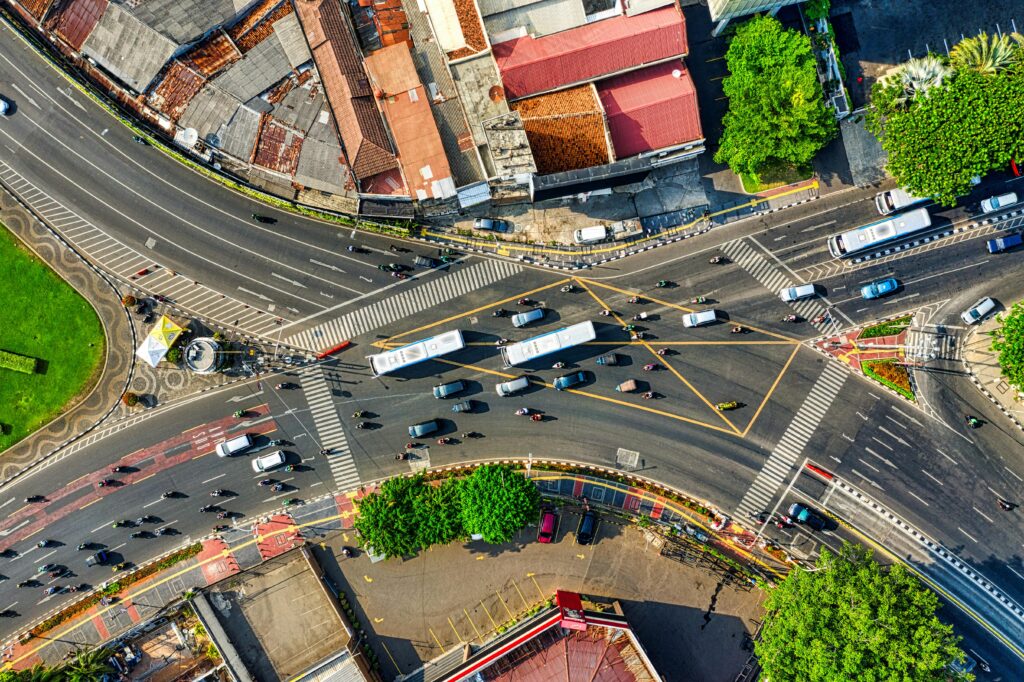
We help you by analysing the number of turns made by a vehicle during a movement period for a given distance. Turning movement count is a traffic count survey method that enables assessing the movement of vehicles, traffic flow and delay characteristics in greater than three arms. The data analysed from a turning movement count survey is used to develop improvement plans for critical intersections in the short term.
Roundabout count
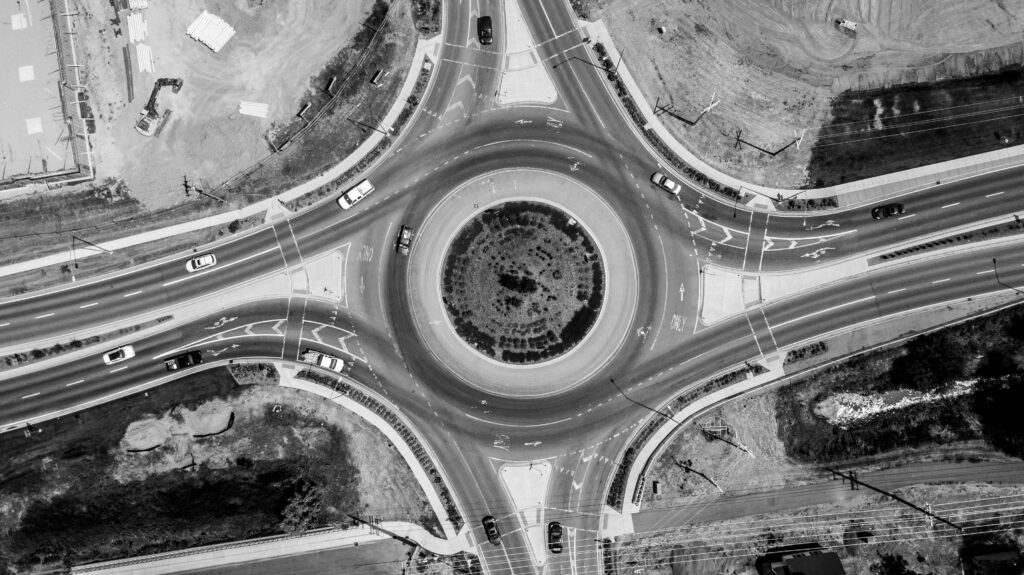
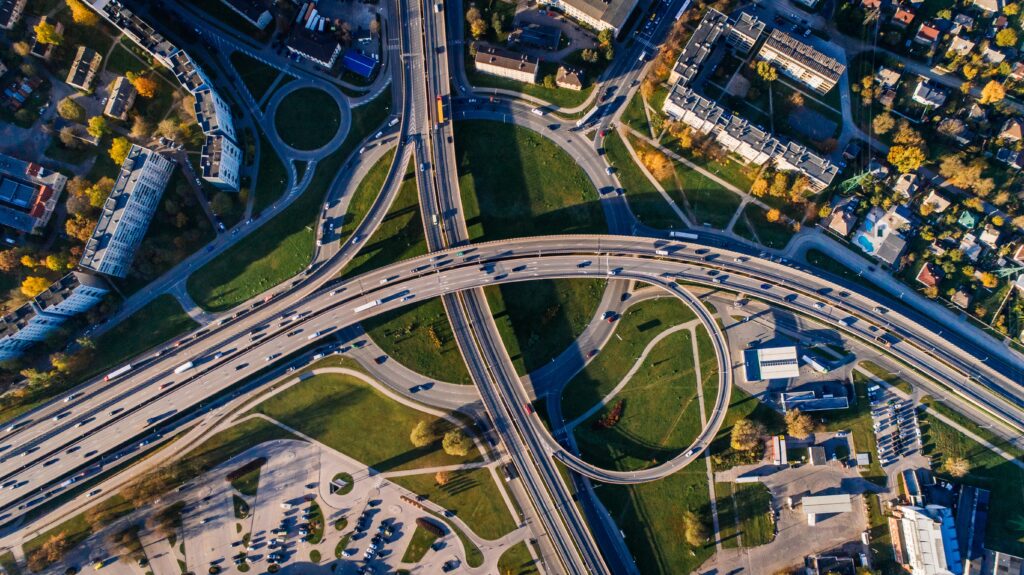
Analysing the roundabout Count data is a method of traffic data analysis which helps in determining the capacity and performance efficiency of roundabout approaches. It sums up the turning movement volume (TMV) of a roundabout. It also clearly details the entry, traffic circulation and exit flow rate for each roundabout leg, from origin to destination.
Link counts
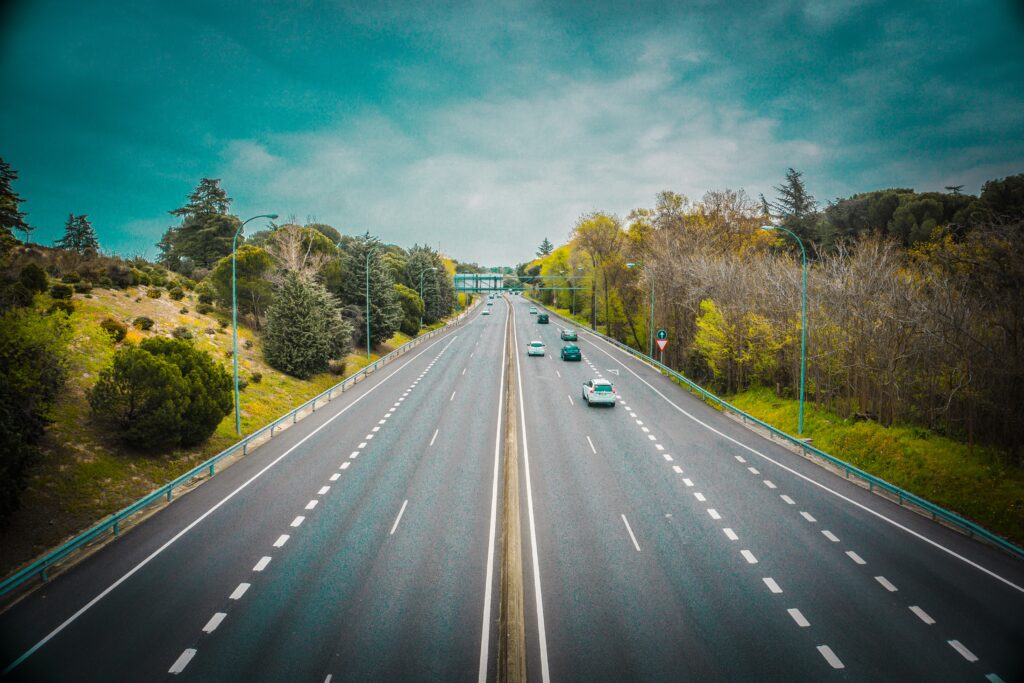
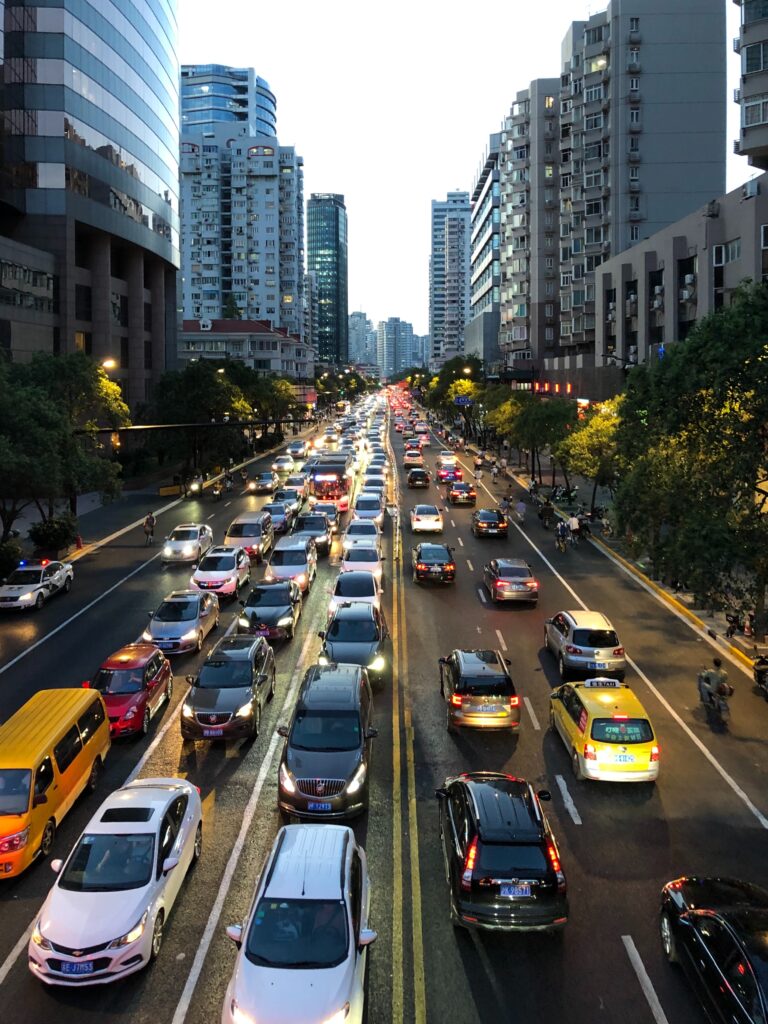
Link-Flow Traffic Counts specifically looks at vehicle’s movements bi-directional on a given stretch of road. Link flow traffic counts are easily obtainable by individual vehicle types. We analyse the collected data shared by our clients that helps to predict traffic flow precisely. Link counts are effective in providing street-level traffic data.
Pedestrian Counts
We analyse the data related to pedestrian’s traffic, which enables the identification of traffic volume, time taken to cross the road, any obstructions, and usage frequency of crossing infrastructure. The level or frequency of conflict between cyclists or pedestrians can also be analysed through pedestrian counts
Intersection Count
Our Intersection counts services are typically performed to help scrutinizing the capacity of an intersection and provides data which are used to advise signal timings. The duration of the Intersection Count is typically informed by Average Daily Traffic data, which is collected by road data. That data helps to determine the peak hour data needed – usually an AM peak, a midday peak and a PM peak totalling between 6-12hrs.
Bicycle Counts
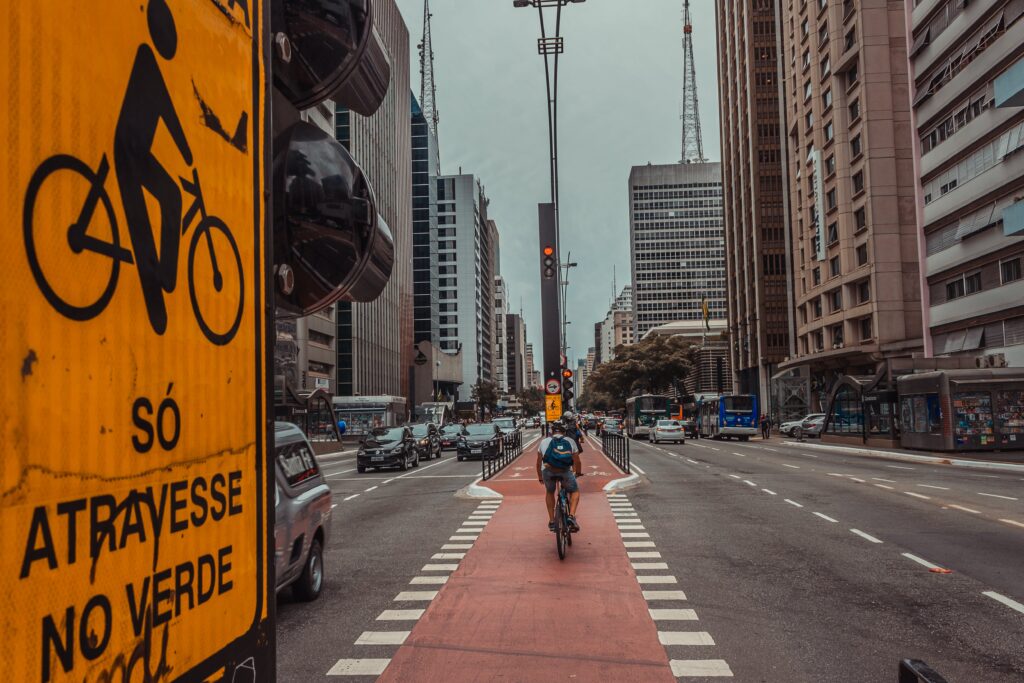
We provide a complete manual bicycle count analysis which helps in analysing the data on the number of bicycles that pass through specific locations, such as Intersections and Bicycle lanes, thereby promoting cycling as a mode of transportation.
Bus Occupancy Study
Using appropriate and quality measures while performing the Bus Occupancy is utmost necessary and the data so obtained can be of use for various needs.
Queue Length Survey
This involves queue management techniques by analysing the recordings of the number of vehicles in a queue before the traffic signal turns green for one or all legs on an intersection. It also involves the recording of the number of vehicles in each lane queue depending on the length of the queue, and by considering the number of lanes that exist.
Parking Studies
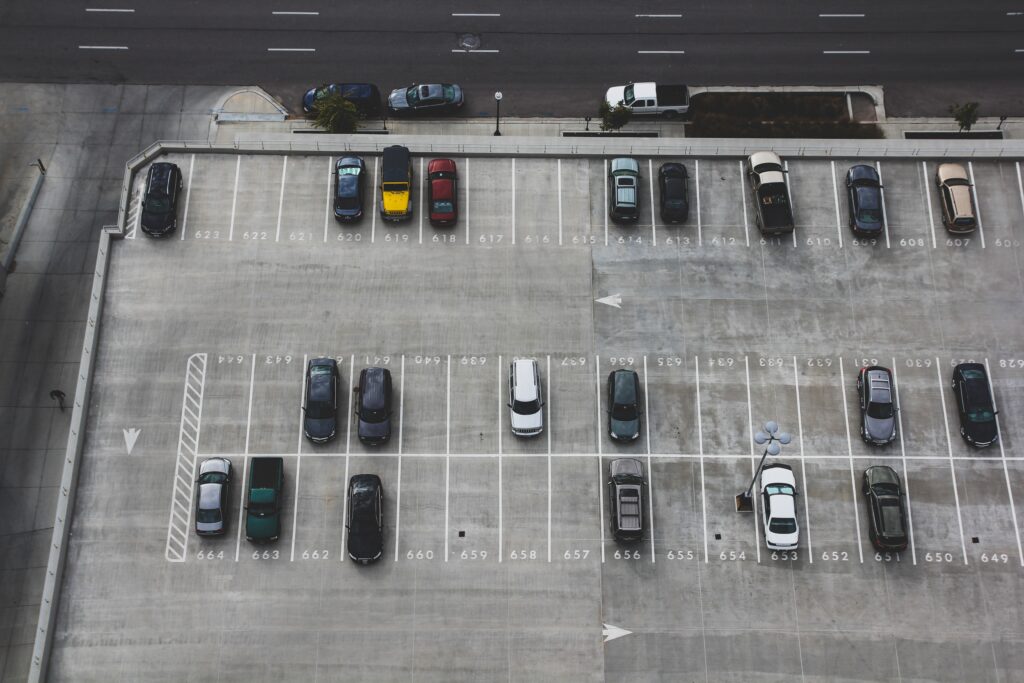
The main objective of the parking study analysis is to assess usage levels for on and off-street parking. This type of analysis also enables the identification of key issues and constraints in parking demand and supply characteristics.
Registration Plate Study
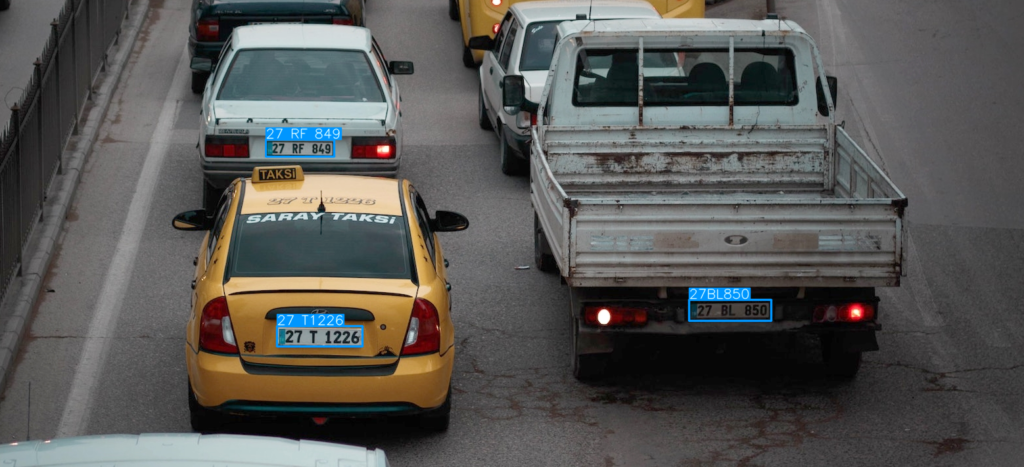
Number plate recognition or the NPR system is a mass surveillance method involving the scrutinization of captured images which enables the manual reading of vehicle registration plates.
Mid Block Count
We provide Mid-block count service that refers to analysing the collected data related to pedestrian’s, bicycle’s, and vehicle’s traffic at different locations between intersections or mid-blocks. We analyse the collected data from mid-block count survey, and share the insights.
Taxi Rank Monitoring
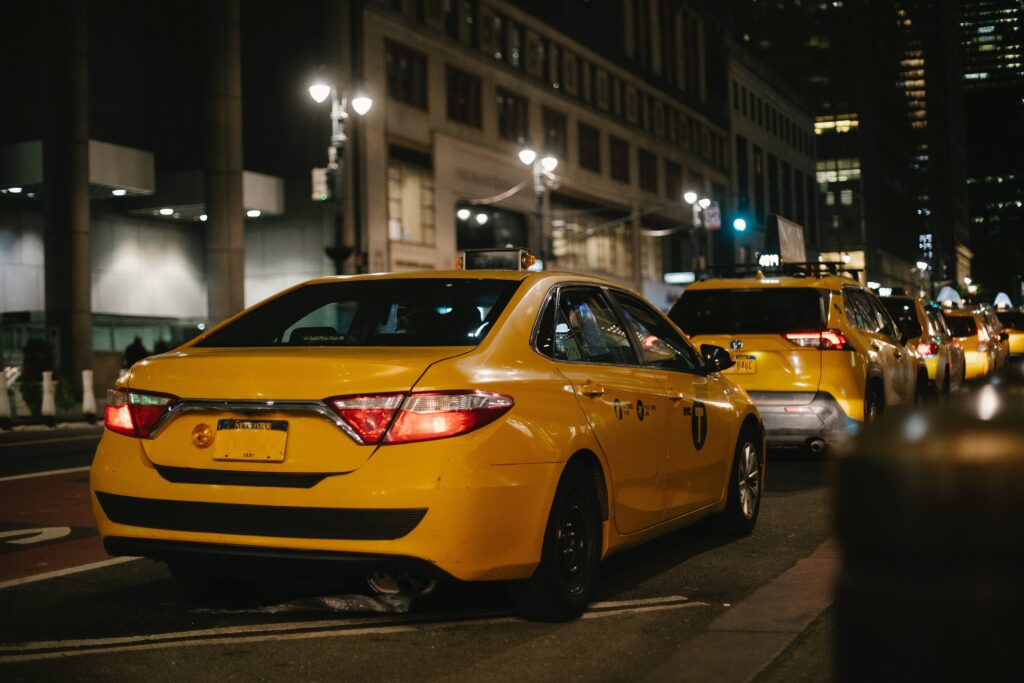
We work on the data to provide insights to the number of taxis waiting at a particular rank, the duration of their wait, and the number of passengers being served. This information can be used to optimize taxi services, improve customer experience, and reduce congestion in high-traffic areas.
Illegal Traffic Movements
Illegal traffic movements refer to any actions taken by drivers that violate traffic laws and regulations. This can include running red lights, making illegal U-turns, and driving in restricted areas. These actions not only put the driver at risk of accidents and legal consequences, but also endanger the safety of other road users.